A
new
Horto

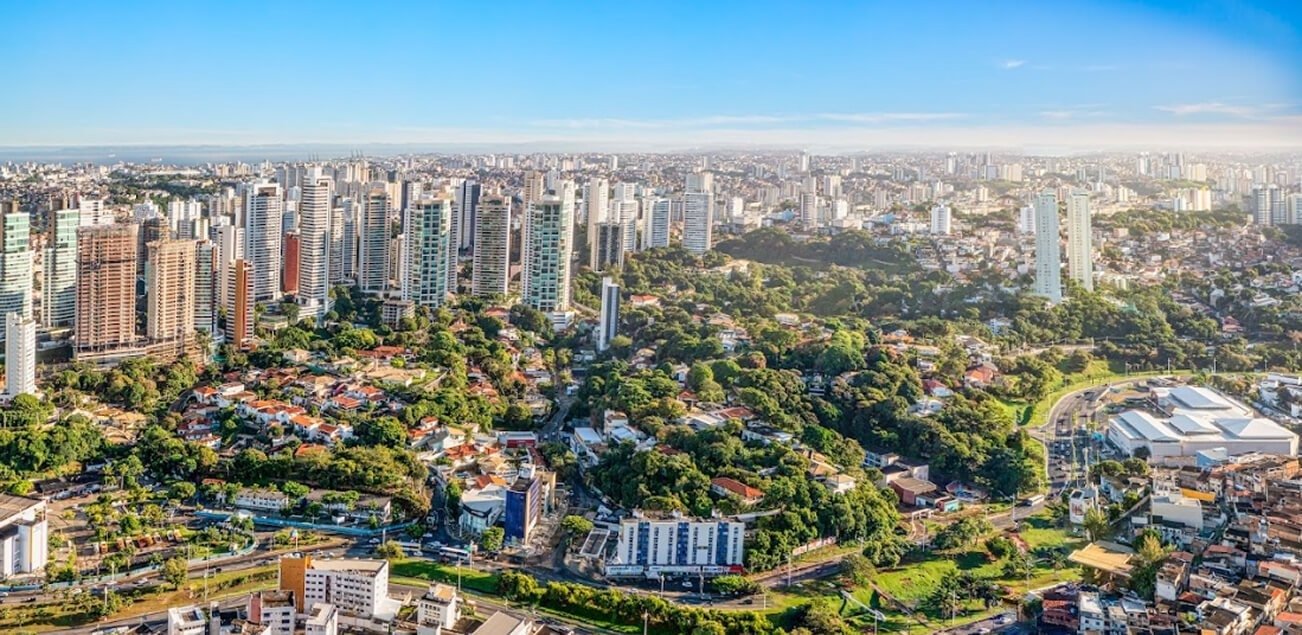
Horto Florestal is one of Salvador’s most highly valued neighbourhoods. With century-old trees that have endured the city’s growth, it has become a green retreat within the urban landscape. Traditionally known for its large houses and mansions, the neighbourhood has also begun to welcome residential buildings, following changes to the city’s urban development plan and the area’s growing property values.

Horto Boulevard was launched in September 2022. The initiative brought together 15 companies operating in the neighbourhood, including Capa Concepts, in partnership with the Municipality of Salvador and local associations. The aim was to transform an underused area of Horto into a space for leisure, social interaction and connection between residents.

In 2021, while developing a new residential project in the neighbourhood, we identified an important challenge: the lower area of Horto had limited walkability. Despite the arrival of high-quality services, residents reported concerns about safety, thermal discomfort and the lack of communal spaces.
It was clear that life needed to be brought back to the streets — by creating meeting places, encouraging people to occupy public spaces and, in doing so, increasing the sense of safety and belonging.


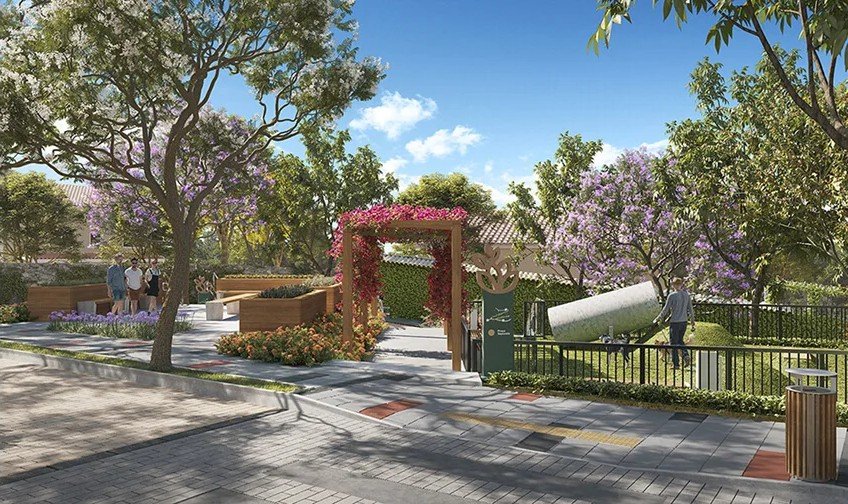
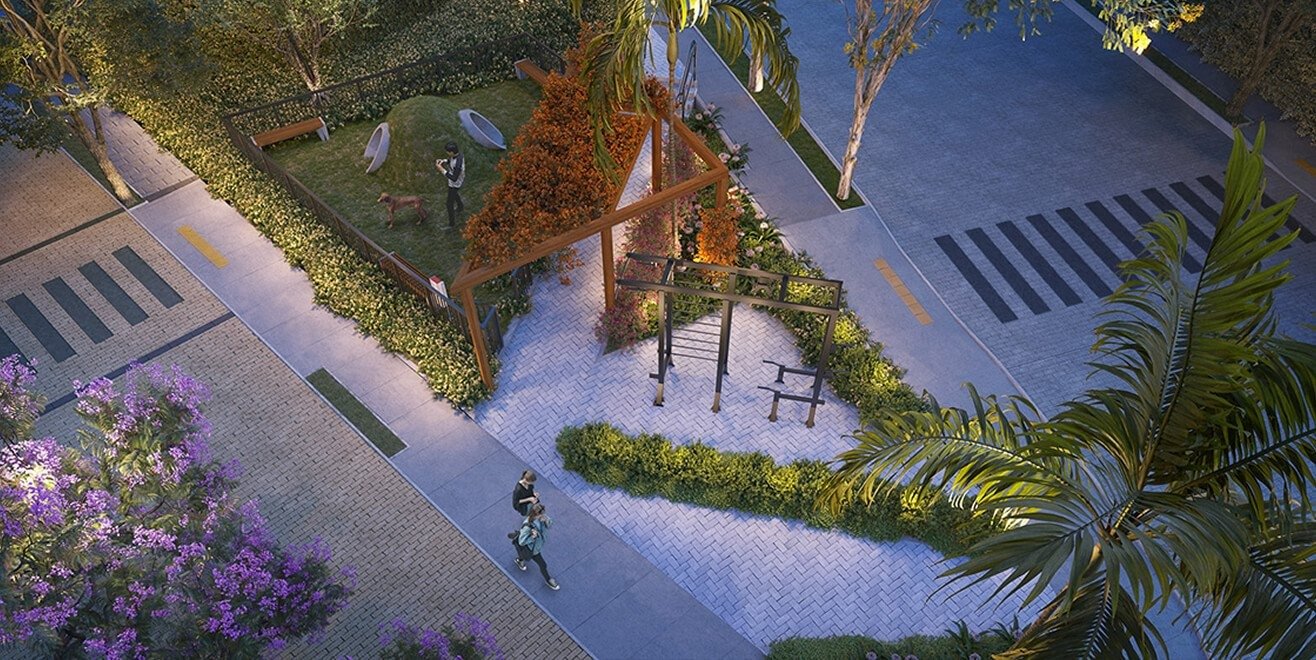
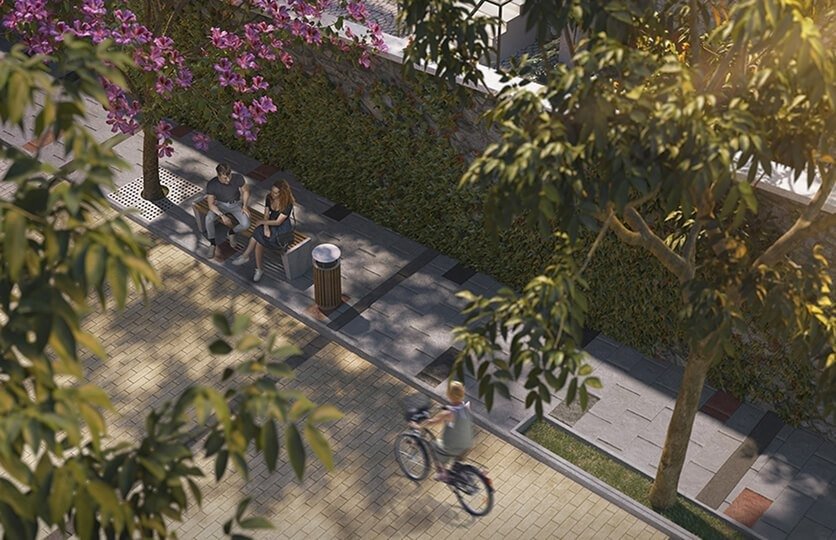
With the collaboration of landscape designer Takeda and architect Ricardo Farias, the public spaces were redesigned. Two squares were brought to life, offering an outdoor fitness station to encourage physical activity, a dedicated pet area, native planting and street furniture providing shade, beauty and comfort.

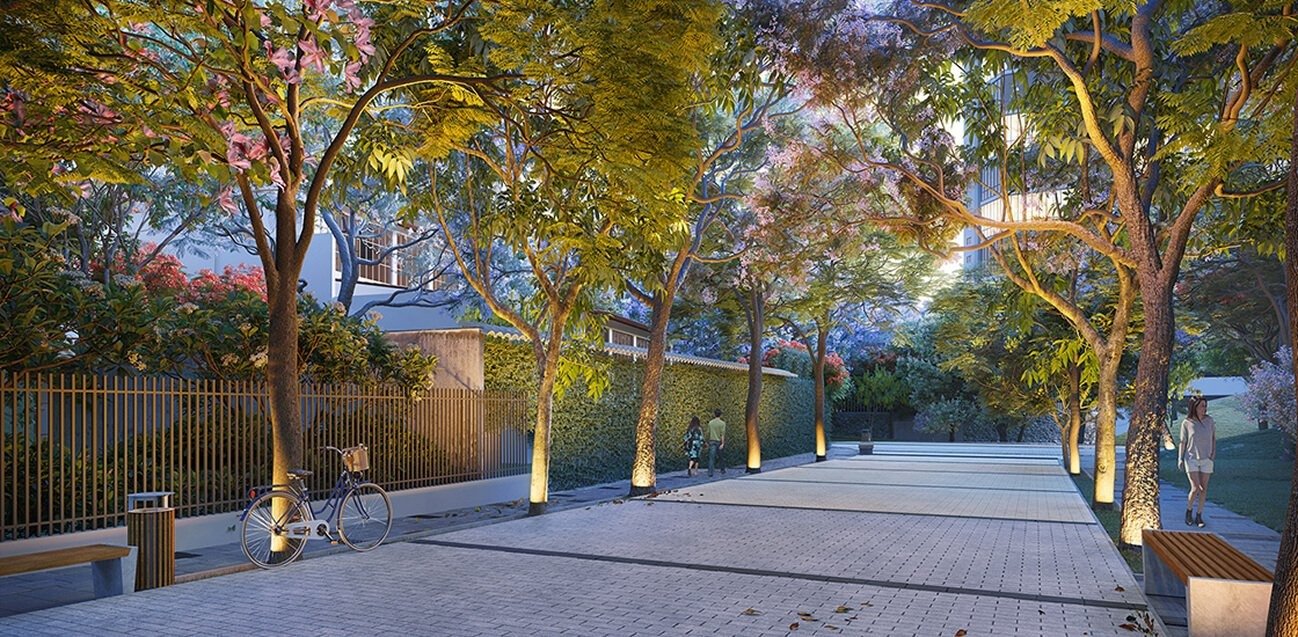
Sapucaia and Cedro streets also received renewed paving, additional shade and modern public lighting, making walking more pleasant and secure.

The visual identity and signage were designed to enhance the area’s local character, reinforcing the placemaking strategy through both physical and symbolic interventions.

Beyond revitalising streets and squares, Horto Boulevard demonstrated how real estate developments can extend beyond their private boundaries and contribute to the wider urban experience.

The institutional partnership with the Municipality of Salvador was essential in consolidating this vision: real estate projects and urban interventions can — and should — transform neighbourhoods, fostering belonging, appreciation and well-being for residents and visitors.


+
About
the
project

1. Context

Horto Boulevard is an urban development initiative launched in September 2022 with the participation of 15 companies, including Capa Concepts, operating directly in Horto Florestal, one of Salvador’s most prestigious neighbourhoods.

Together with the Municipality of Salvador and local associations, the group sought to enhance an underused area of Horto with significant potential, bringing greater vitality, social interaction and connection to the neighbourhood.

The initiative emerged at a turning point for Horto. Until recently, the area consisted mainly of houses, but in recent years it has experienced its own property boom, with dozens of high-end developments being launched and built simultaneously.

2. Objective

The project was created to improve Horto’s walkability, strengthen its sense of belonging and renew its identity.

As the neighbourhood had historically been characterised by gated residential developments, there was little pedestrian activity in its streets and few meeting places where residents could recognise one another as part of a community. As the area’s profile changed and services and businesses moved closer, Horto needed urban interventions capable of improving the local experience.

The aim was therefore to create a pleasant setting for both Horto residents and prospective buyers of the area’s residential developments, reinforcing the property market’s enduring principle: location, location, location.

3. Diagnosis and research

We conducted in-depth research to understand the profile and habits of local residents, as well as their aspirations for the neighbourhood.

We found that people did not feel safe walking through the streets, which were largely dominated by cars. We also noticed that residents were beginning to identify more strongly as a community as they met one another in local pharmacies and shops, but still wanted more opportunities for social interaction.

Horto had always been one of Salvador’s most prestigious neighbourhoods. Yet, drawing an analogy from its name, it resembled a dense forest in need of internal paths — opened with care and respect — that could enhance its value by encouraging a vibrant social life and, consequently, greater safety and well-being.

This diagnosis informed the proposed interventions, ensuring that each solution responded to the community’s needs.

4. Strategy and concept

The central concept was guided by the definition of what we wanted to create: Horto Boulevard.

Boulevards emerged in 19th-century Paris as broad, elegant avenues that connected different parts of the city while introducing beauty and spaces for circulation and leisure. A boulevard can therefore be understood as a wide, tree-lined space for pedestrians and vehicles that encourages mobility, recreation and social interaction.

The brand was created to enhance and expand the area’s identity, using both physical and symbolic interventions to support the placemaking strategy. The project focused on carefully considered tree planting, landscaping, communal spaces and outdoor activities.

Our main reference for the placemaking strategy was the Rua Agnelo Piva project in São Paulo — an effective example of urban regeneration achieved through community participation and targeted interventions that, despite appearing simple, can radically improve residents’ everyday lives.

5. Implementation and activations

In partnership with landscape designer Takeda and architect Ricardo Farias, we selected the tree species and street furniture that would provide shade, beauty and comfort.

The project established Sapucaia and Cedro streets as its main axes. Both received dense planting to provide natural shade and improve thermal comfort for pedestrians, encouraging greater walkability.

We also created two integrated public squares, including an outdoor fitness station designed to promote physical activity and community interaction. A dedicated pet area was created for residents with animals, reinforcing the neighbourhood’s welcoming and inclusive character.

The street furniture included comfortable benches, modern public lighting and clear signage, with totems, posters and parking signs that help organise traffic flow while reinforcing Horto Boulevard’s visual identity.

Our partner Quântica produced images and architectural renders illustrating the atmosphere the interventions would create throughout the neighbourhood. We also appointed advertising agency Engenho Novo to develop the brochures and website under the leadership of Capa Concepts, and organised a launch event to strengthen engagement among the community and project partners.

The initiative benefited from an important institutional partnership with the Municipality of Salvador, reinforcing Capa’s belief that real estate developments and urban interventions can — and should — contribute to improving neighbourhoods and the wider urban experience for residents and visitors.
6. Results

The project enhanced the value of the address and provided strong market support for residential launches in the area by improving residents’ everyday experience and creating a new landmark for the neighbourhood.

Horto Boulevard is now used as a sales argument for developments in Horto Florestal and represents a new chapter for the area: one that is livelier, more vibrant, safer and more engaging.

The intervention reinforces the neighbourhood’s identity and appeal as a place for both living and leisure. Capa Concepts strongly believes in initiatives of this kind and aims to replicate the model — with the appropriate adaptations — in other neighbourhoods across Salvador and in cities around the world, contributing to urban improvement and long-term value creation.