Where
tradition
and
modernity
meet

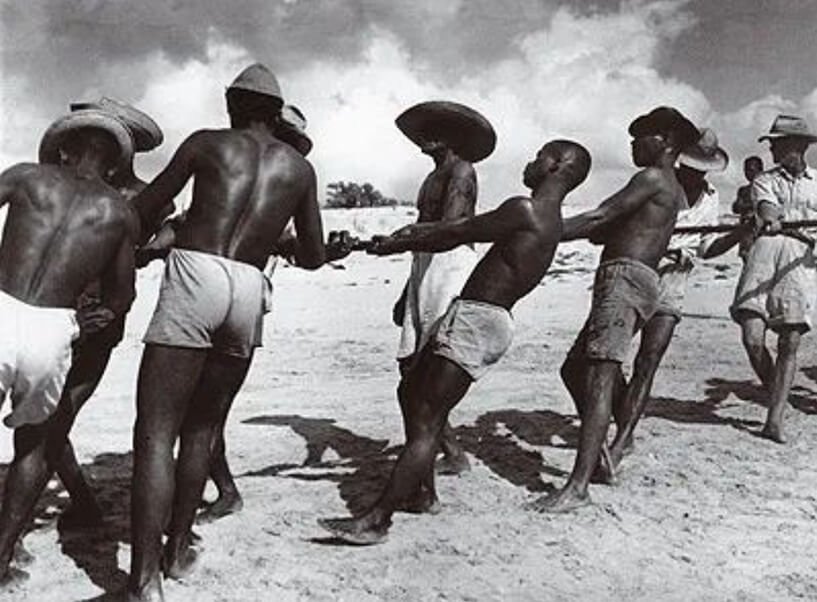
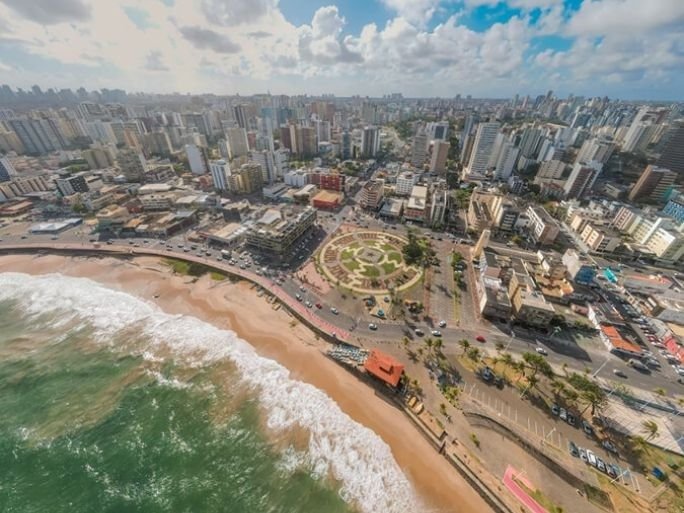
Pituba means a breath or a strong wind. The neighbourhood began as a fishing village and was later planned around a grid system as Salvador’s “new city”.

The development of the petrochemical complex, the arrival of Shopping Iguatemi and other milestones transformed Pituba into a central, multifaceted and diverse neighbourhood.

The challenge was to present this unique blend in a contemporary, dynamic and compelling way — strengthening the existing sense of belonging while creating a connection between the area and a new residential development.

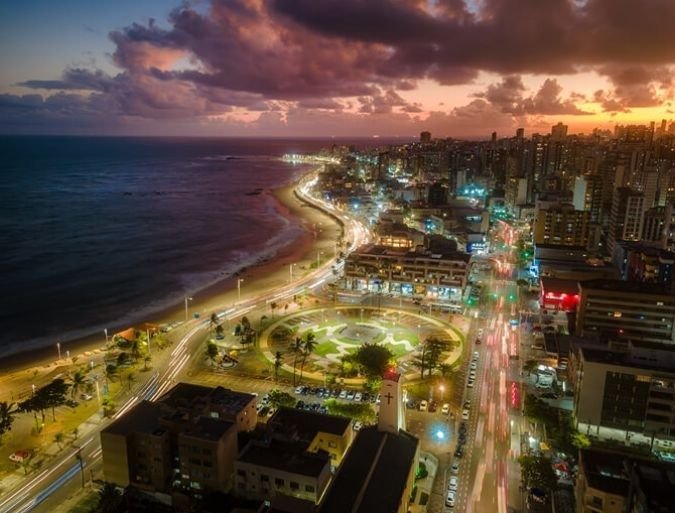
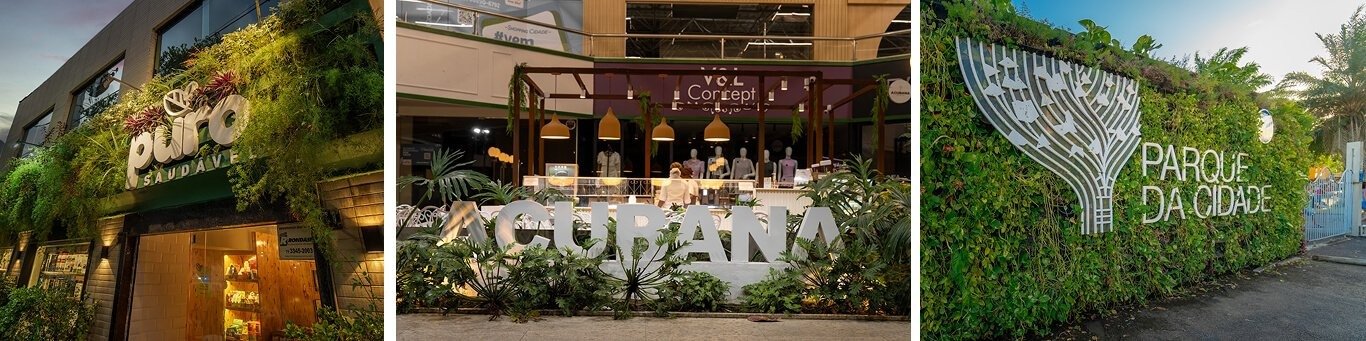
Through in-depth neighbourhood curation and carefully directed photography, Pituba’s place-branding strategy positioned it as a modern neighbourhood offering everything associated with contemporary urban life: public green and leisure spaces, a vibrant food scene, mobility and a complete range of everyday services.

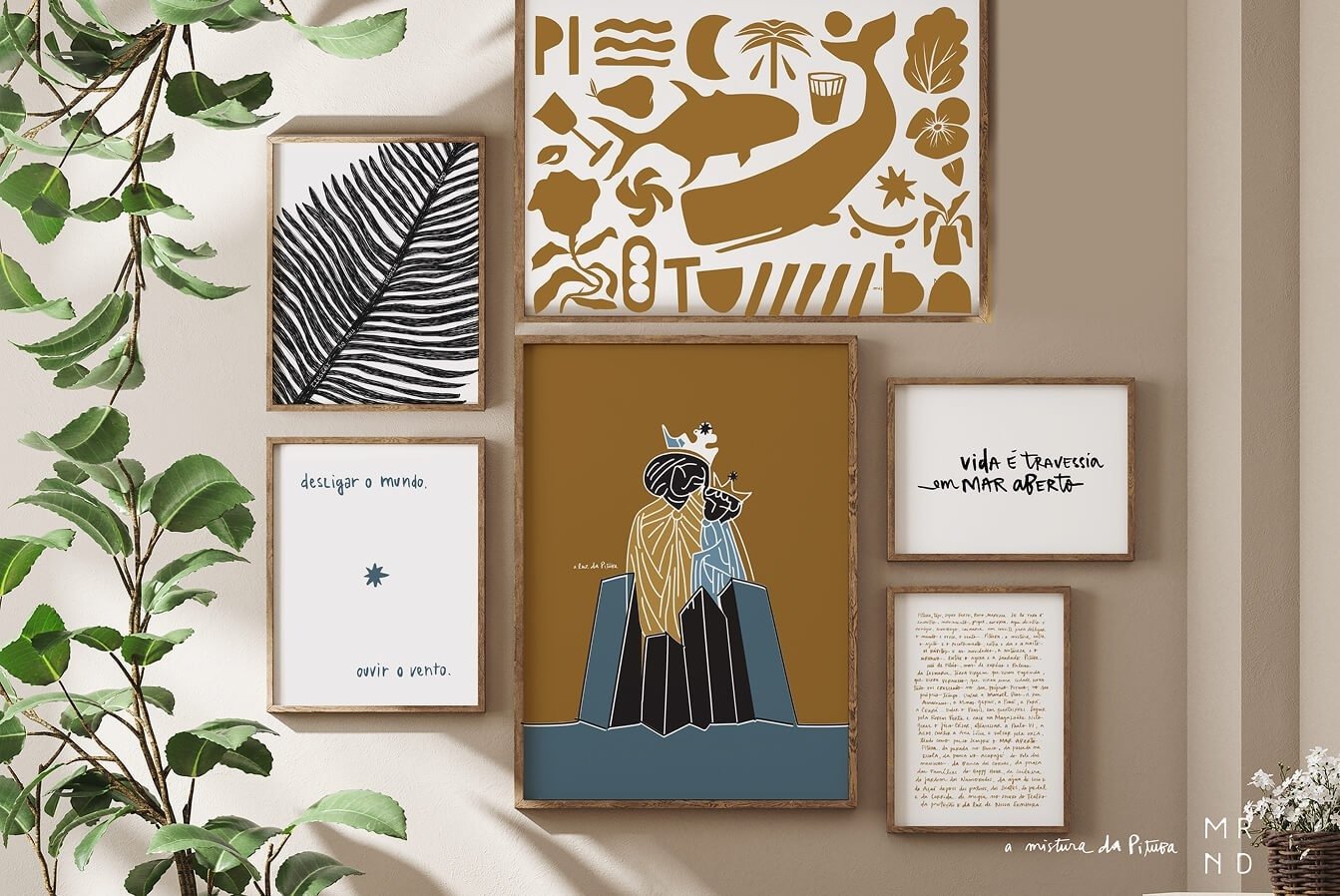
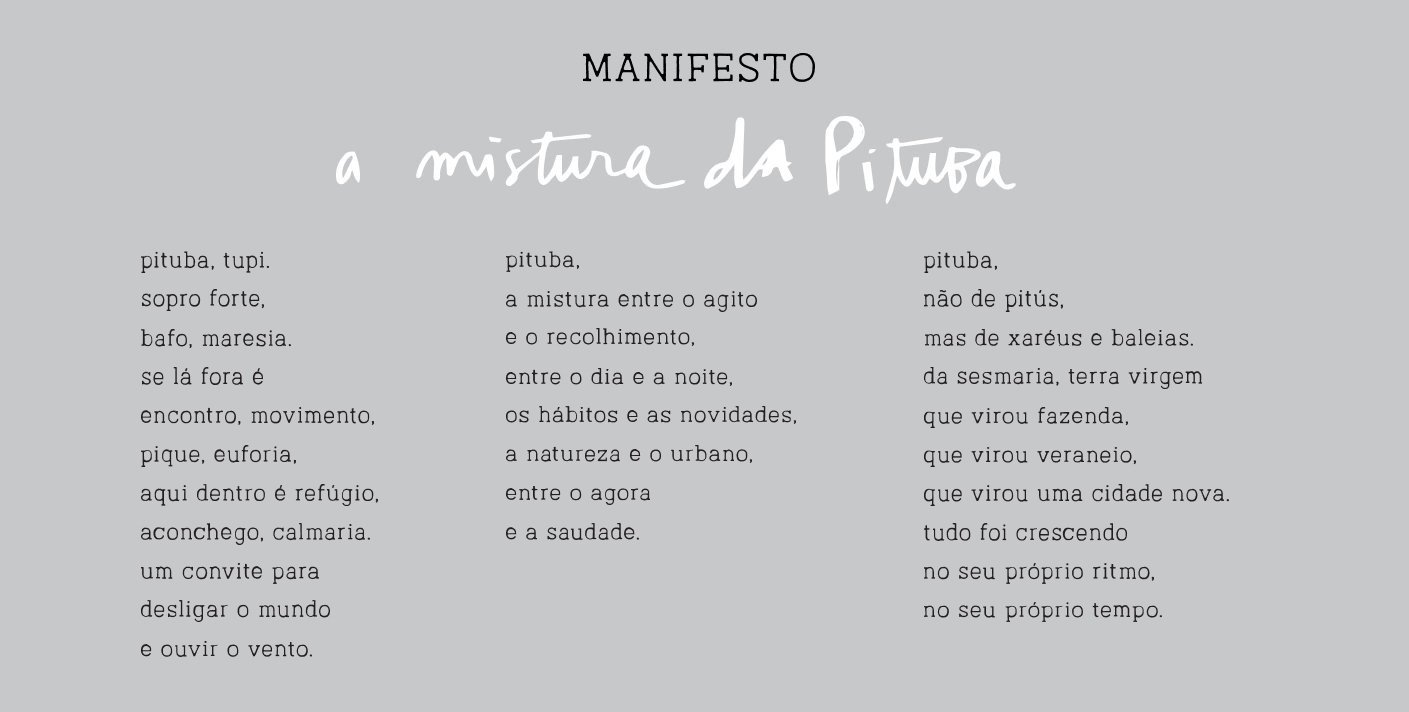
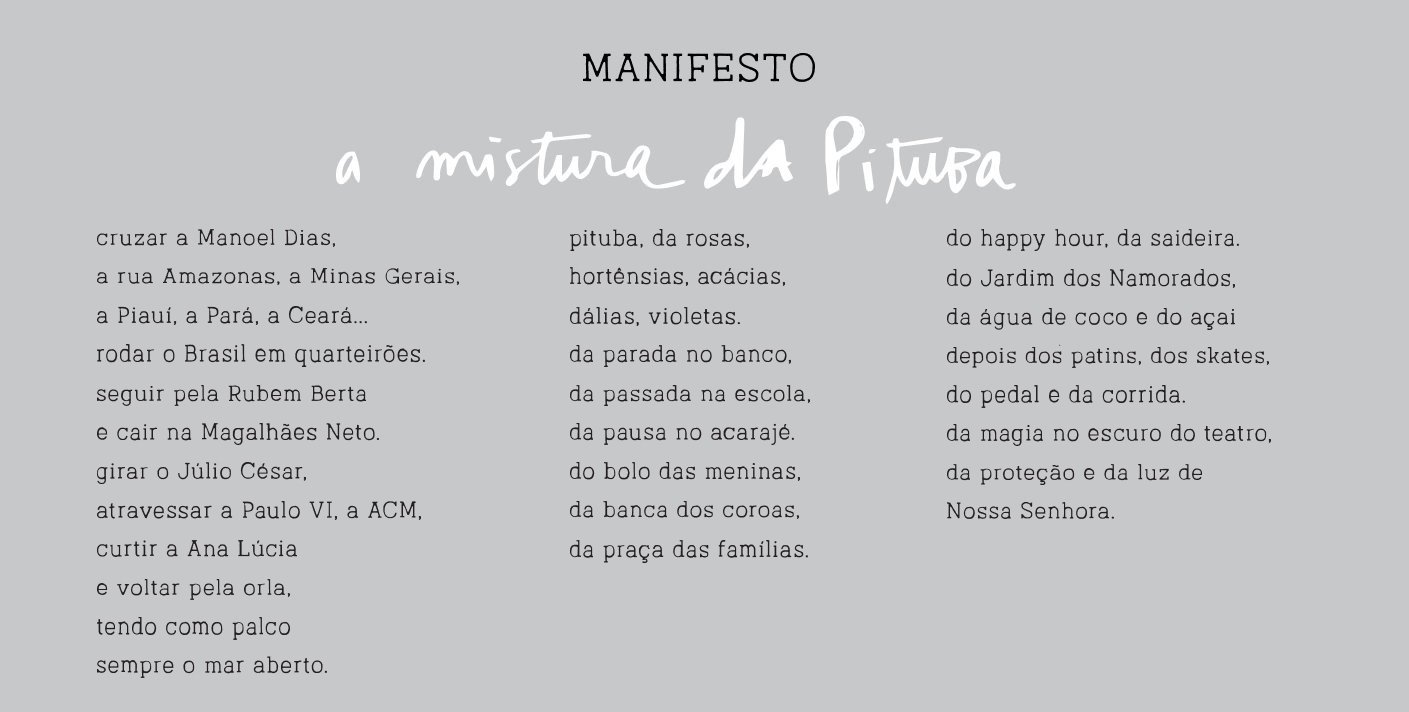
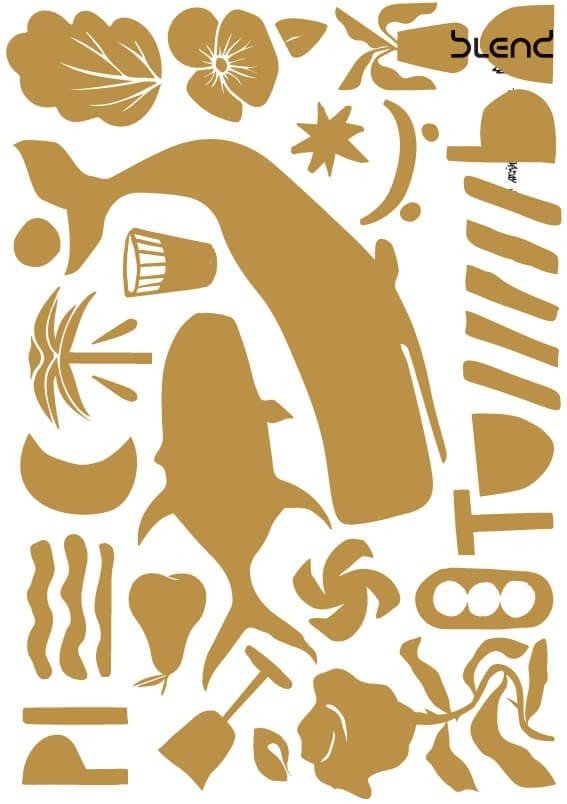
Miranda Estúdio created artworks inspired by the neighbourhood, alongside a manifesto that informed both the campaign and the architectural project, establishing a strong sense of identity between the development and its surroundings.

The place-branding study identified the neighbourhood’s defining attributes and established a new image for Pituba: complete, modern and diverse. It strengthened the community’s existing sense of belonging while creating a clear connection with the new real estate product arriving in the area.

+
About
the
project

1. Context

In the early days of Salvador, Pituba was a fishing village. At the beginning of the 20th century, the former Fazenda Pituba was purchased by Manoel Dias, who envisioned a “new city” with a grid layout inspired by Belo Horizonte — considered a model of modern urban planning at the time. The plan was approved in 1964, marking the beginning of the neighbourhood we know today.

Pituba is one of Salvador’s largest neighbourhoods, known for its diversity, proximity to the coastline and wide range of leisure, green spaces and dining options. Traditionally associated with Bahia’s middle class, it has always experienced strong rental demand due to the convenience of its services and amenities.

2. Objective

Although Pituba is a highly complete and practical neighbourhood, it has experienced periods of both appreciation and decline. Due to its size, its image is multifaceted and can sometimes feel outdated or fragmented, despite the many new developments and improvements taking place across the area.

The objective was to bring a fresh perspective to the micro-location where a new contemporary residential development, featuring two-suite apartments, would be built.

3. Diagnosis and research

Following extensive research into the neighbourhood, we found that Pituba offered all the attributes associated with a successful place, according to the Project for Public Spaces: sociability, which creates a sense of place through interaction; uses and activities, which encourage people to use and return to a location; access and connections, ensuring mobility and ease of arrival; and comfort and image, shaped by perceptions of safety, cleanliness and overall quality.

The neighbourhood was also a source of pride for its residents, particularly because of its green areas, leisure spaces and extensive range of services.

The research divided Pituba into a series of micro-regions according to their defining attributes. This made it clear that the area surrounding the development offered a blend of services capable of supporting a comfortable and contemporary lifestyle: the arrival of the BRT, charming cafés, popular restaurants and all the essentials of everyday life.

4. Strategy and concept

This insight gave rise to Blend Pituba, inspired by the unique combination of elements that makes the neighbourhood so complete.

The naming, concept and product strategy presented a modern Pituba shaped by history and a strong sense of belonging, while also highlighting the neighbourhood’s newest expressions of contemporary life, including emerging services and improved mobility.

The creative synthesis brought together history, nostalgia, convenience and pride. Choosing to be more Pituba meant living between modernity and tradition, energy and contemplation, nostalgia and the desire to experience the present.

Choose the freedom to be more Pituba.

5. Implementation and activations

The neighbourhood appreciation strategy began with an in-depth curation that revealed Pituba’s plural character, expressed through its lively bar culture, gastronomy, green spaces and wellness-oriented lifestyle.

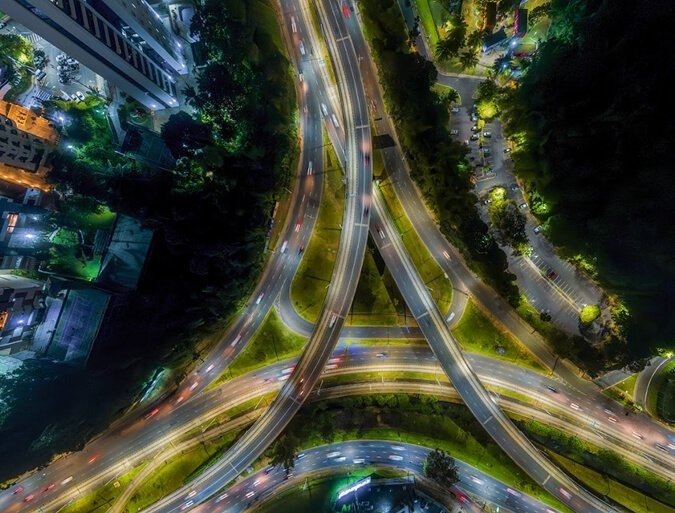
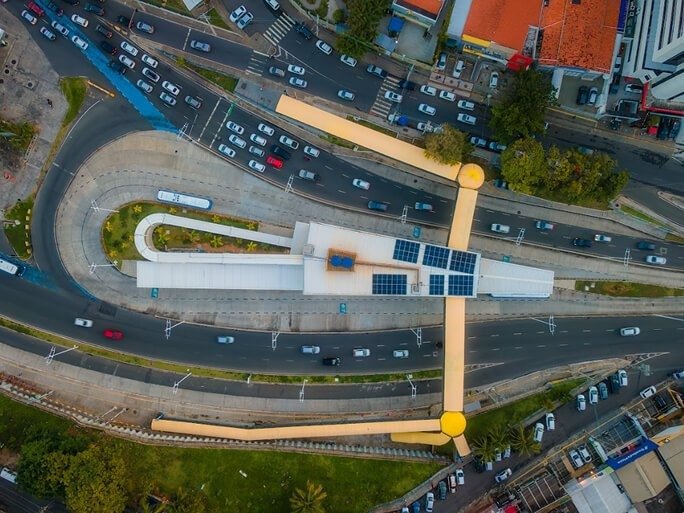
The photography focused on portraying the neighbourhood’s mobility and modernity, highlighting the BRT and public spaces through a distinctive use of light that brought personality and beauty to the images.

Miranda Estúdio was invited to develop a manifesto for the neighbourhood, alongside a series of artworks that captured Pituba’s multifaceted and unique identity.

6. Results

The result was a development aligned with its surroundings, helping establish a new image for Pituba: complete, modern and diverse.

The project strengthened the sense of belonging already shared by local residents while creating a meaningful connection between the neighbourhood and the new real estate product arriving in the area.